The 101 runs the length of the California coast before fading into the Interstate system somewhere north of Los Angeles. The stretch from North County San Diego to Santa Cruz is one of the better two to three day drives in California. This is the guide to doing it slowly on the 101 when possible.
The coastal highway between San Diego and Santa Cruz covers roughly 400 miles and crosses through half a dozen distinct California identities. The surf towns of Southern California give way to the mission cities of the Central Coast, which give way to the dramatic and fog-covered redwood coast of Santa Cruz County.
This is a guide to the stops that make the drive fun — not just as a route between two places but as the destination itself.
Starting Point — San Diego and the North County Coast
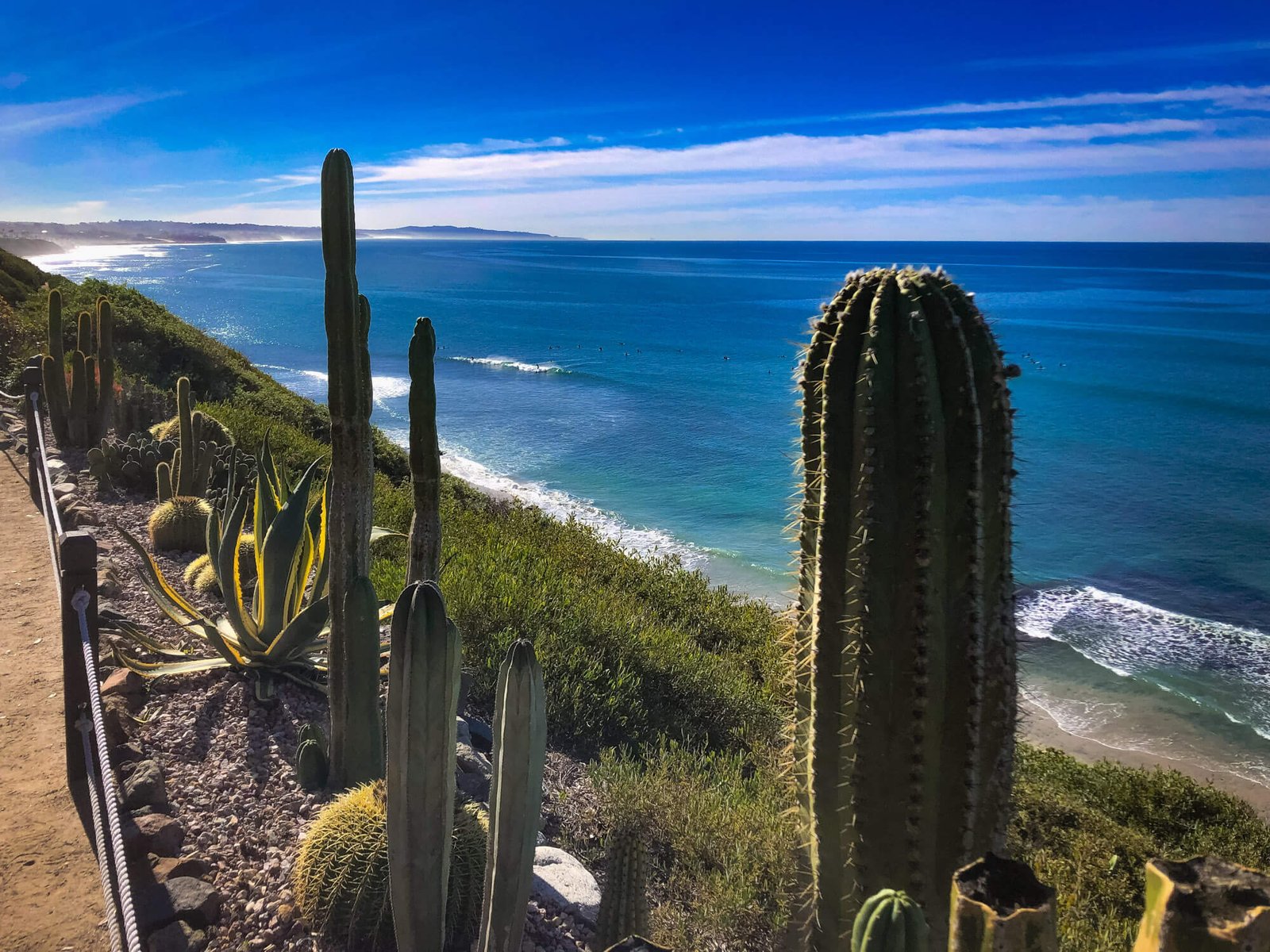
The drive starts in Cardiff on North Coast Highway 101 — the old road, not the freeway.
Before you leave Cardiff: VG Donut & Bakery on Aberdeen Drive in Cardiff has been open since 1969 and is now a thriving third-generation business. The maple bars and cinnamon sugar donuts are the specific things worth going for. Open Monday through Saturday from 6am to 3pm. Pick up something for the road before you get on the highway.
Seaside Market at 2087 San Elijo Ave, Cardiff is worth a stop for provisions. Home of the famous Burgundy Pepper Tri-Tip — known locally as Cardiff Crack — with one of the better deli counters in San Diego County. Open daily 7am to 10pm.
Drive up the 101 to Leucadia: The Leucadia Roadside Park sign on the bluff above the highway is one of the more photographed spots on the North County coast — you’ll see it as you drive through.
Stop at Coffee Coffee at 970 North Coast Hwy. A third-wave coffee shop in the heart of Leucadia — espresso dialed in carefully, fresh almond milk made in-house, outdoor seating with the windows open to the 101. Open daily 6:30am to 3:30pm. The cardamom latte is worth knowing about.
Haggo’s Organic Taco at 1302 North Coast Hwy 101 is the North County institution for tacos before you hit the road. Haggo’s uses grass-fed beef, organic free-range chicken, and wild-caught fish — try the Cousteau fish taco. Eleven local craft beers on tap if you’re stopping for lunch rather than breakfast. Open Tuesday through Sunday from 11am, Saturday and Sunday from 9am.




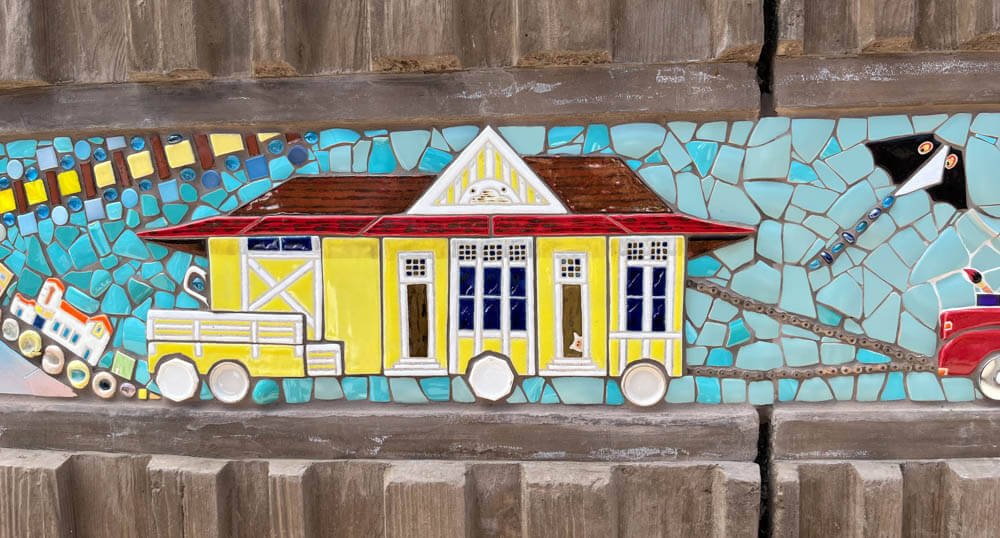
Before you leave Leucadia, the El Portal pedestrian undercrossing at the intersection of El Portal Street, Vulcan Avenue, and North Coast Highway 101 is worth five minutes on foot. The underpass — built in 2022 to provide a safe walking path under the railroad tracks — was transformed in 2024 into a community mosaic installation by students from Paul Ecke Central Elementary and San Dieguito Academy, working with beloved artist and ceramics teacher Jerm Wright. Seventeen hand-crafted mosaic panels depict the history of Encinitas and Leucadia — the Chumash, the rancho era, the surf culture, the flowers, the self-realization fellowship. The thumbprints of students who attended Paul Ecke Central are embedded somewhere in the tiles.
It’s one of the better pieces of public art on the North County coast and most people driving the 101 don’t know it’s there.
San Clemente — Trestles and the Walk In
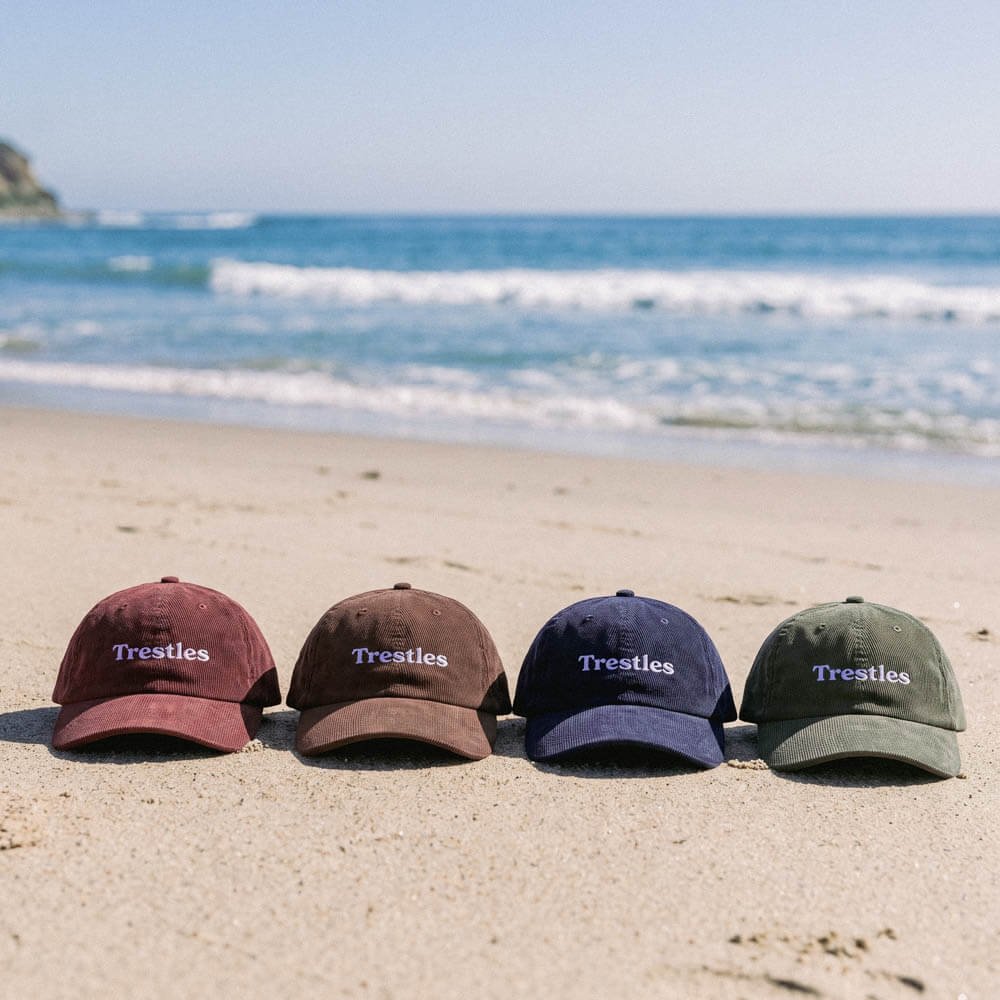
Just north of Oceanside on the 5 / 101 corridor, San Clemente is worth a brief stop for the surf. Trestles — the collection of world-class breaks at the base of the San Onofre State Beach bluffs — is accessible only by a half-mile walk from the parking area at Cristianitos Road. Even if you don’t surf, the walk in is worth it on a clear morning. The breaks themselves — Lowers, Uppers, Middles — are consistently among the best waves in California. The World Surf League Championship Tour comes here every year for a reason.




Ventura — Main Street and the Pier
Ventura is the most overlooked city on the Southern California coast and worth more than a passing glance from the freeway.
Downtown Ventura — Main Street runs parallel to the ocean through a walkable historic downtown. The Mission San Buenaventura anchors the top of the street. The surf culture in Ventura is genuine and long-established — this is a working surf town with real local character rather than a resort town built around visitors.
Ventura Pier — a short walk from Main Street, the Ventura Pier is the longest wooden pier on the West Coast. It photographs best in the hour before sunset when the Channel Islands appear on the western horizon on clear days. Worth 20 minutes.
Santa Barbara — The Funk Zone and the Courthouse
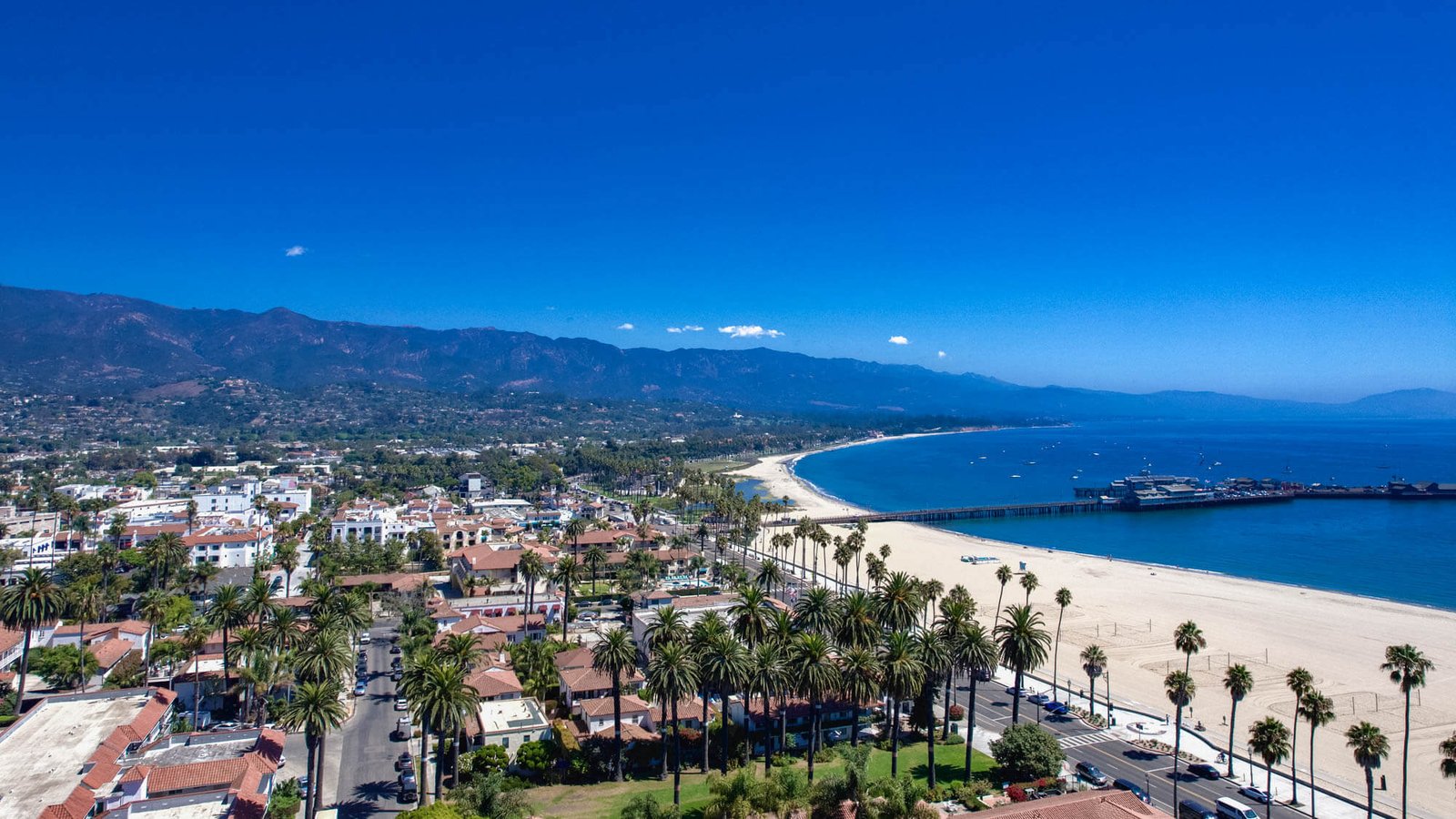
Santa Barbara is the natural overnight stop on the drive north and deserves a full afternoon and evening.
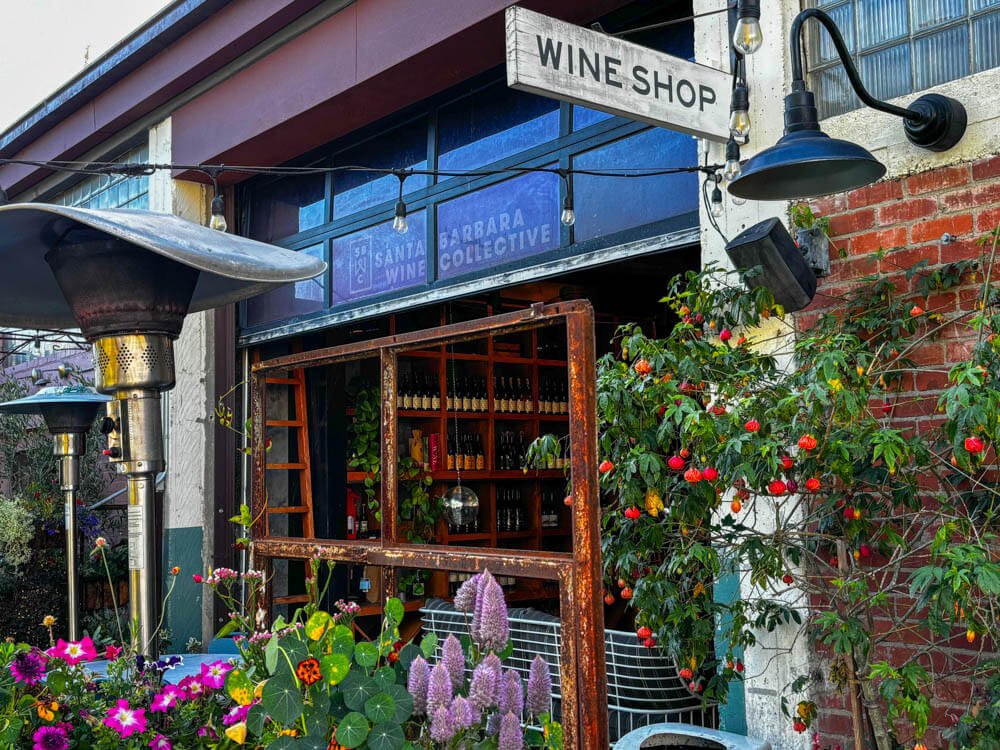
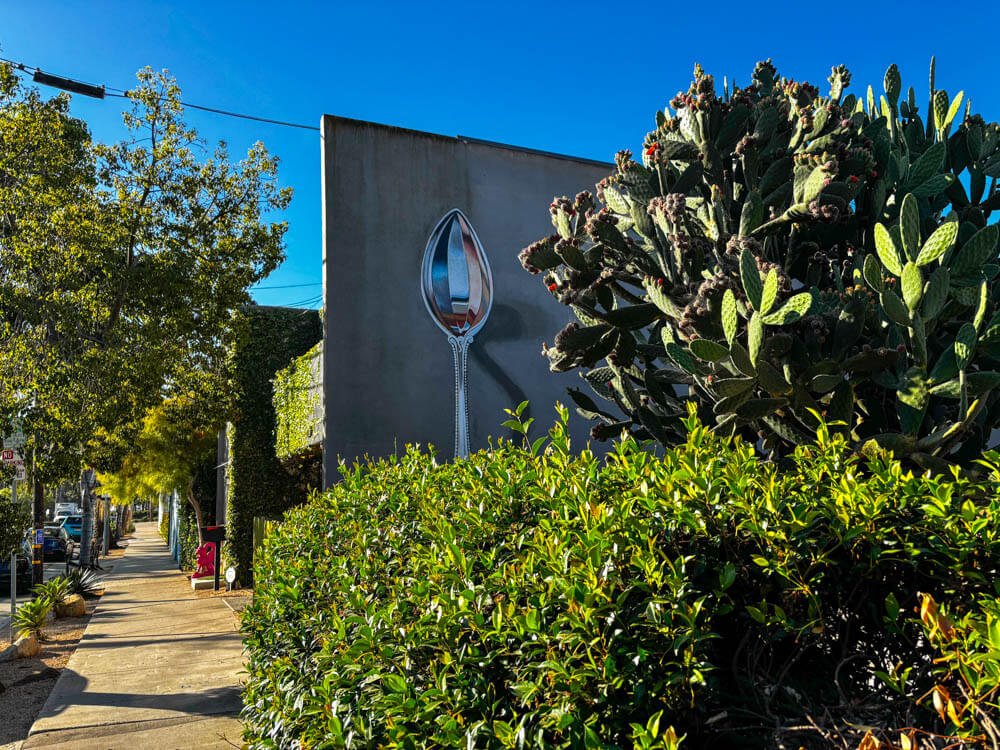
The Funk Zone sits between the 101 and the beach — ten blocks of converted warehouses covered in murals, boutique wine tasting rooms from Santa Ynez Valley producers, and Mollusk Surf Shop which carries some of the better surf-adjacent lifestyle apparel on the California coast. Dart Coffee in the Funk Zone has a back garden worth finding. A half day in the Funk Zone is a reasonable plan.
The Santa Barbara County Courthouse — the 1929 Spanish Colonial building with the rooftop observation tower is worth the 20-minute stop. The tower gives 360-degree views of the red tile rooftops, the Santa Ynez Mountains behind the city, and the Pacific to the south. Free to enter.
For a full guide to Santa Barbara — the Funk Zone, Silvers Omakase, Caruso’s at Rosewood Miramar, the best beaches, and where to stay — read our Weekend in Santa Barbara guide
The Gaviota Coast — Refugio State Beach
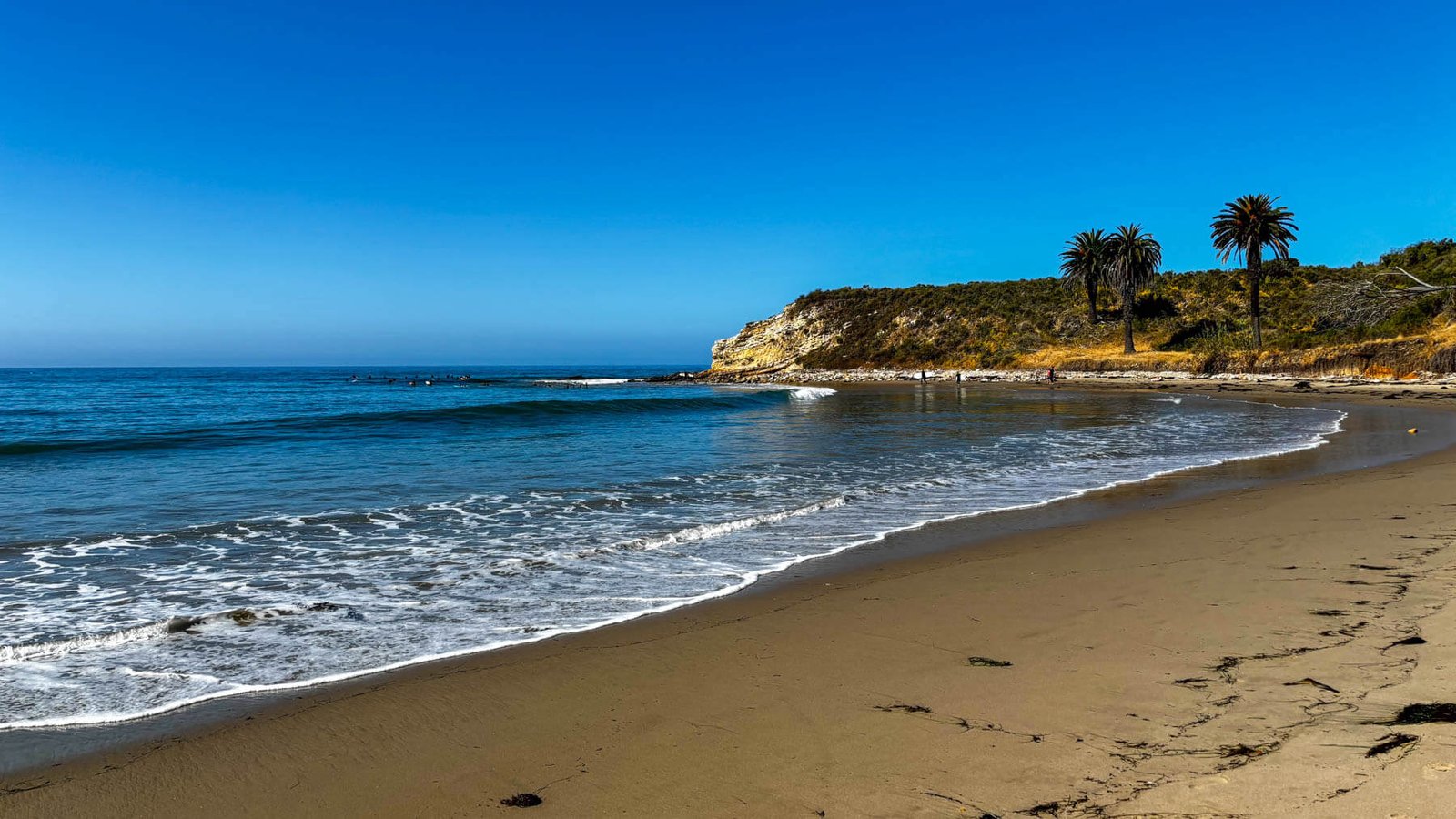
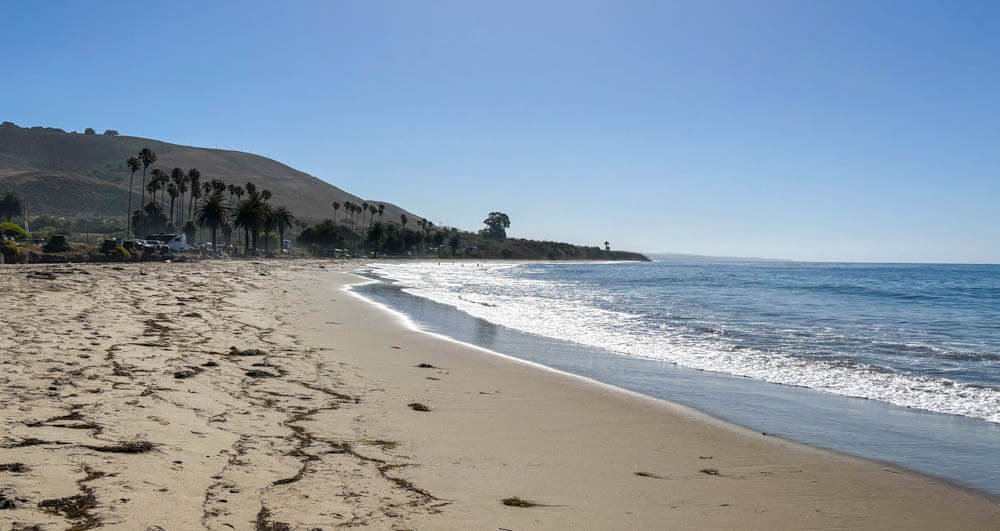
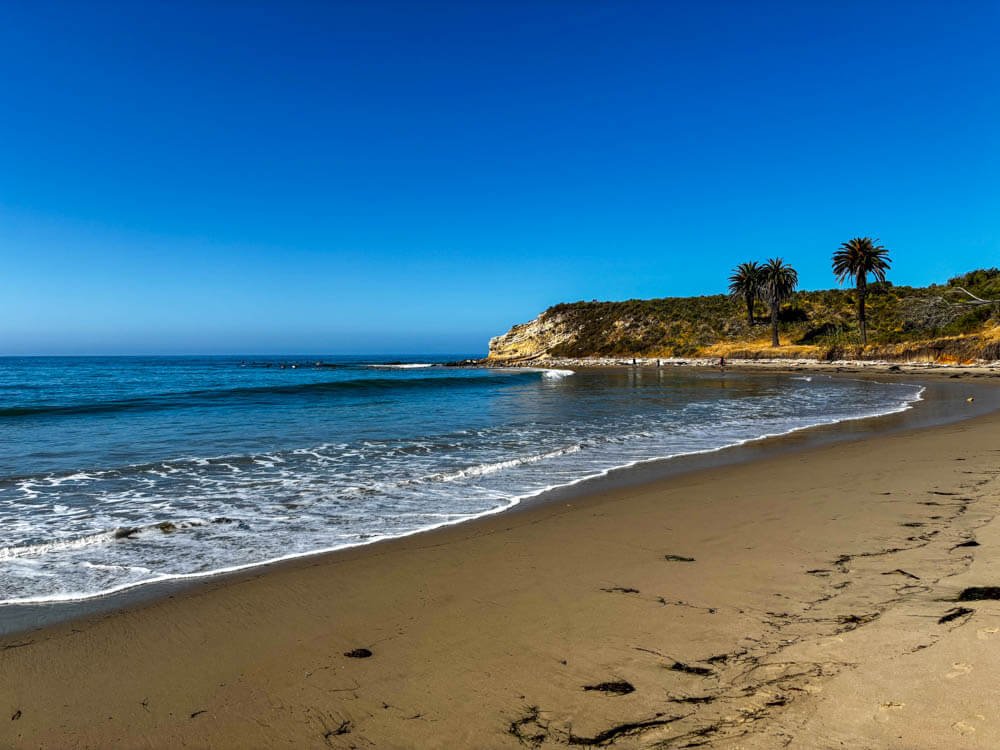
Twenty miles north of Santa Barbara on US-101, Refugio State Beach is the stop most people drive past and shouldn’t. The Chumash called this place Qasil — beautiful. Palm trees planted along Refugio Creek give the beach a look unlike any other California state beach — part Baja, part tropics, unmistakably California coast. A point break breaks to the right of the creek mouth. Campsites back right up to the sand.
Even if you’re not camping, pull off for 30 minutes. The combination of the creek, the palms, the point, and the mountains rising directly from the coast is the specific landscape of the Gaviota Coast that disappears north of here.



The Santa Ynez Valley Detour — Los Alamos, Los Olivos, Solvang
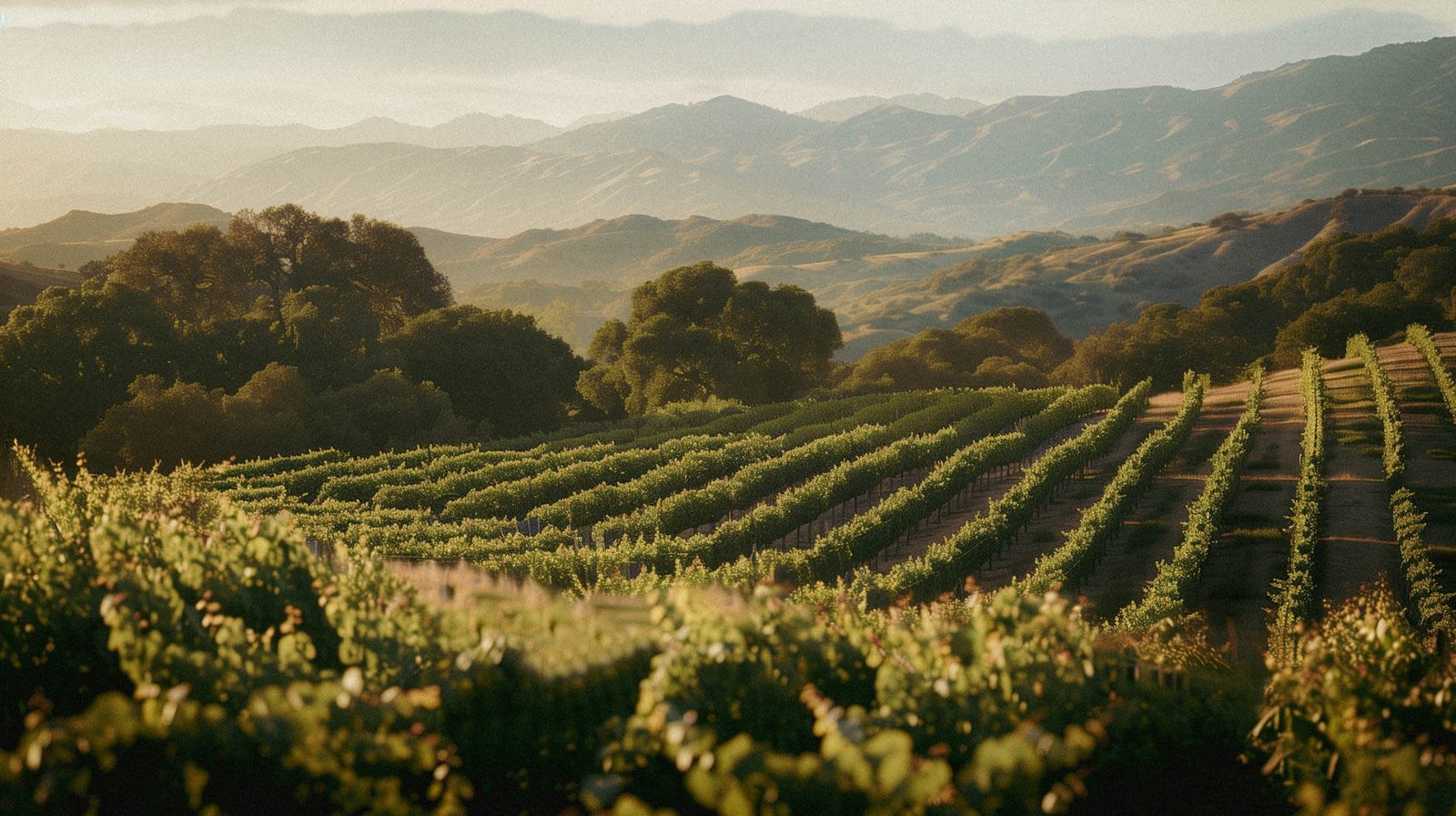
Thirty miles north of Santa Barbara, Highway 154 cuts east toward the Santa Ynez Valley. This detour adds about 45 minutes to the drive and contains the best food stops on the entire route.
Bell’s in Los Alamos holds one Michelin star and is one of the most compelling restaurants on the California coast — a French-inspired bistro from Per Se alums Daisy and Greg Ryan in a former feed store on the five-block main street of Los Alamos. Lunch runs Thursday through Monday, 11am to 3pm, walk-ins welcome. Prix fixe dinner is reservation only at $125 per person. Reserve at OpenTable →
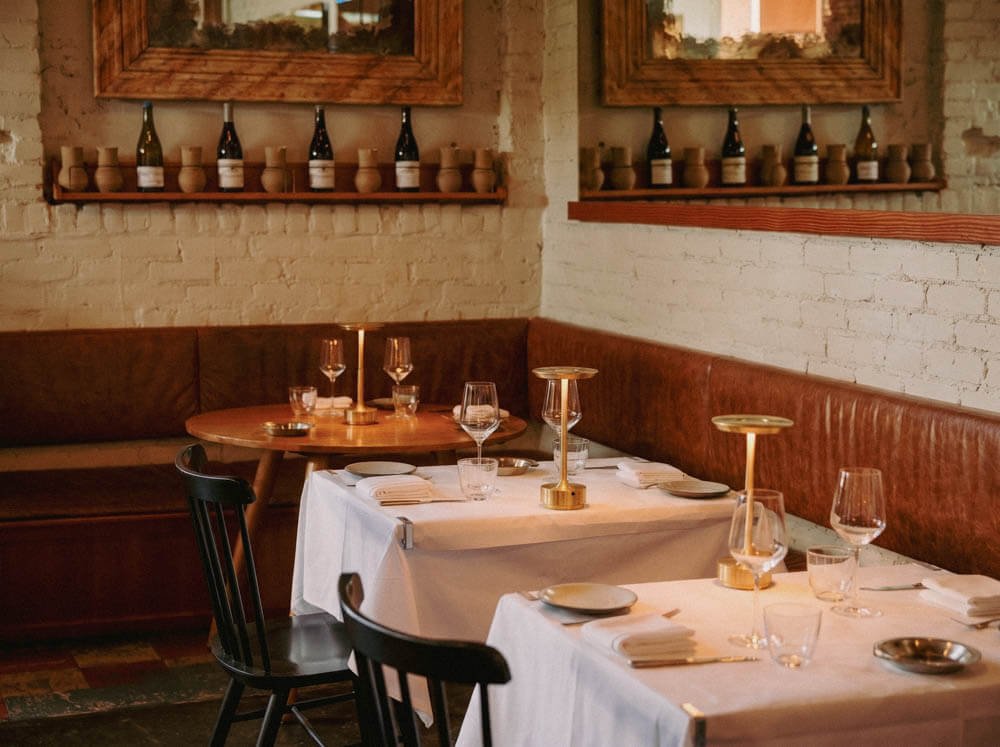
Six miles east in Los Olivos, Bar Le Côte is the Michelin-recommended seafood tavern from the same team — all-day sharing plates in a bright, casual room with a bucolic back garden. The oysters, the beef tartare with fried oysters, and the saffron buns are the things to order. Open Wednesday through Sunday, noon to 8:30pm. Reserve at OpenTable →
For the full Santa Ynez Valley food guide including peasants FEAST in Solvang, Pico in the historic 1880 Los Alamos General Store, and where to stay in the valley, read: Bell’s, Bar Le Côte and the Santa Ynez Valley →
Pismo Beach — The Pier and the Dunes
Back on the 101 heading north, Pismo Beach is the first proper stop after the valley detour.
Splash Café at 197 Pomeroy Ave has been serving clam chowder in sourdough bread bowls since 1989 and serves more than 40,000 gallons per year. It consistently takes first place at the annual Pismo Beach Clam Festival. The line moves fast. Open daily from 9am. This is the unambiguous right answer for lunch in Pismo Beach.
The Pier extends from the main beach and photographs well at golden hour with the coastal mountains visible to the north. The beach is wide and the sand is pale — noticeably different from the beaches of San Diego County.
Oceano Dunes — three miles south of the pier, the Oceano Dunes State Vehicular Recreation Area has some of the largest coastal sand dunes remaining in California. Walking the dune edge above the beach produces images that don’t look like anything else on the California coast. Worth 30 minutes even if you’re not driving on the sand.
San Luis Obispo — The Mission Town
San Luis Obispo sits inland from the 101 in a valley ringed by the Nine Sisters volcanic peaks — a small city with a genuine downtown, a Thursday night farmers market on Higuera Street, and several of the better restaurants between Santa Barbara and Carmel.
Mission San Luis Obispo de Tolosa — founded in 1772, the mission fronts a creek and a pedestrian plaza in the center of downtown. More photographically accessible than most California missions — no parking lot in the frame, just the adobe and the mountains behind it.
Higuera Street Thursday Farmers Market — if you’re passing through on a Thursday evening the market closes the street to cars and fills it with vendors, food stalls, and live music. One of the better farmers markets in California.
The Madonna Inn on the edge of town — the famously eccentric pink hotel is worth a drive-by even if you’re not staying. The exterior alone is one of the more distinctive pieces of California roadside architecture. The Gold Rush Steak House inside is an experience worth understanding before committing to.
For dinner in SLO: Ember in Arroyo Grande — ten minutes south on Grand Avenue — is the best dinner stop between Santa Barbara and Morro Bay. A Michelin-recommended wood-fired restaurant open Wednesday through Sunday, 4pm to 9pm. The 50-layer lasagna and the bruschetta on house-made sourdough are the dishes the Michelin inspectors specifically called out. Reserve through Tock →
Short hike near SLO: Montana de Oro State Park is 20 minutes west — the Bluff Trail runs 4.6 miles along dramatic coastal cliffs above Spooner’s Cove with some of the most striking coastal scenery between Malibu and Big Sur. Worth arriving in the late afternoon for the light on the cliffs.
Morro Bay
Morro Bay is the most photogenic stop on the entire route and the one most worth timing around the light.
Morro Rock — the 581-foot volcanic plug sits in the harbor at the end of the Embarcadero. Photographed from T-Pier in the heart of town, the rock reflected in the harbor water at golden hour is one of the defining images of the Central Coast. Get here an hour before sunset.
The Embarcadero — the waterfront street lined with fishing boats, seafood restaurants, and sea otters in the harbor. Sea otters are a near-constant presence in Morro Bay — floating on their backs in the harbor, cracking shells on their chests. The Embarcadero is one of the more reliable places on the California coast to see them from land.
Montana de Oro State Park — Spooner’s Cove — if you didn’t stop for the bluff trail near SLO, Spooner’s Cove is 20 minutes south of Morro Bay and worth the detour. The cove itself is a small protected beach ringed by dramatic cliffs with colorful rocks and swirling tides. One of the genuinely lesser-known coastal landscapes on the California coast.
Cambria — Moonstone Beach and the Pines
Cambria is the last town before Highway 1 begins its serious climb toward Big Sur and is worth a night if the timing works.
Moonstone Beach Boardwalk — a mile-long wooden boardwalk along the bluffs above a beach covered in moonstones and agates. The cypress trees, the fog quality of the light, and the stones themselves give Moonstone Beach a look completely unlike anything in Southern California. Walk the full boardwalk at low tide when the stones are exposed.
Robin’s Restaurant at 4095 Burton Drive in Cambria’s East Village is the restaurant locals send visitors to. An international menu in a restored 1935 adobe home with a vine-covered garden patio — the Thai-influenced curries and the Vietnamese spring rolls coexist with a wine list that draws heavily from local producers. Open for lunch and dinner daily. The garden is the place to be in summer when they add live music and a tapas menu on weekends.
Cayucos — The Town Time Forgot
Cayucos sits between Morro Bay and Cambria and is frequently skipped — which is exactly why it’s worth stopping in. If Leucadia is what you want Encinitas to still be, Cayucos is what Leucadia was thirty years ago.
Ocean Avenue — the main street of Cayucos is two blocks from the beach and barely changed from its early California character. The pier at the end of the street dates to 1875.
Brown Butter Cookie Company at 98 North Ocean Avenue is the essential stop in Cayucos. The sister-owned company has been hand-making brown butter sea salt shortbread cookies since 2008 and was featured in the New York Times for them. You buy one, eat it in the parking lot, and go back for more. Open daily 9am to 5pm. The Cayucos location is the original — you can watch the dough-makers in action and sample freshly baked cookies during business hours.
Santa Cruz — The End of the Road
Santa Cruz is where the drive rewards you for taking the long way. The city has a specific character — surf culture, university town, remnant counterculture, genuinely excellent coffee — that doesn’t exist anywhere else on the California coast.
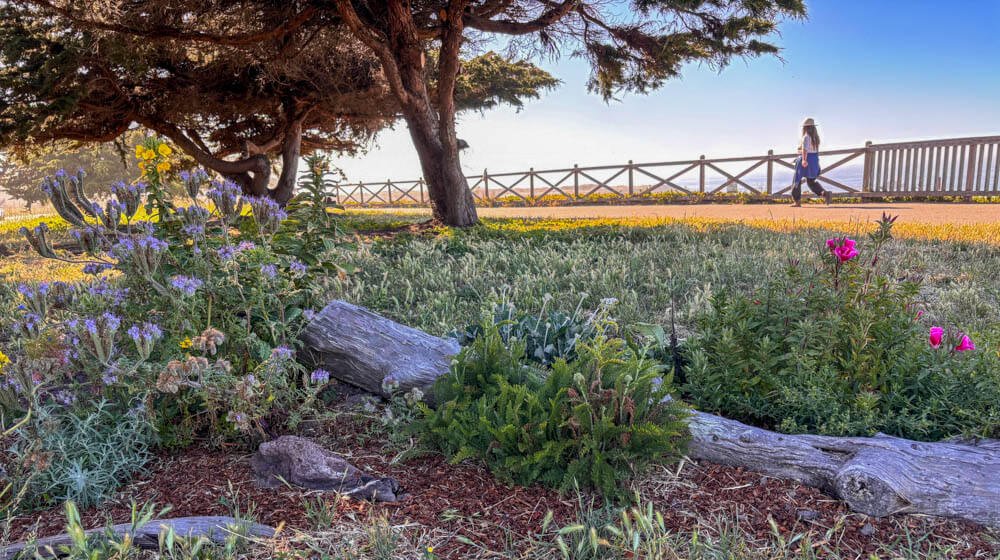
West Cliff Drive— the cliffside walk from the Mark Abbott Memorial Lighthouse above Steamer Lane to Natural Bridges State Beach is the essential Santa Cruz experience. Walk it at 6pm on a clear evening. Surfers in the water below the lighthouse, the Pacific wide open to the west, the light hitting the water in the specific way it only does on the Northern California coast.
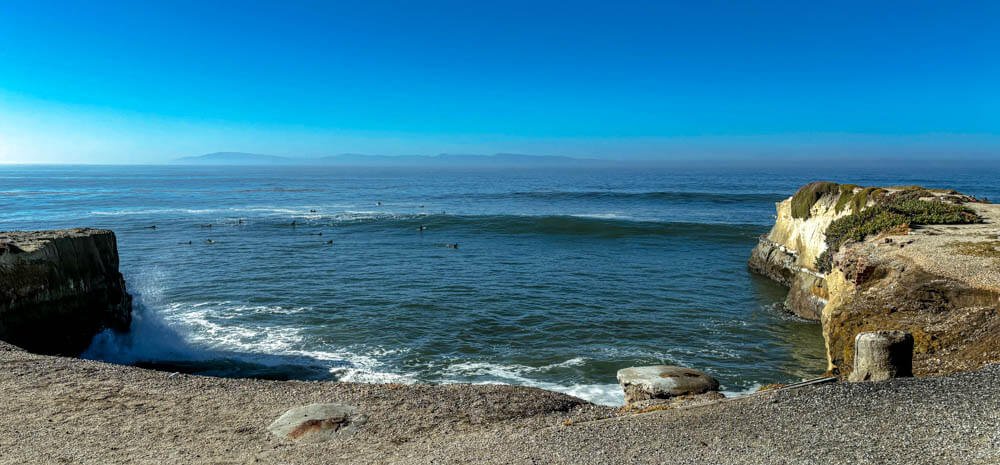
Steamer Lane — Santa Cruz’s most famous surf break has been surfed since the 1930s and is one of the oldest established surf breaks in California. The Mark Abbott Memorial Lighthouse sits directly above the lineup — you can watch surfers from the cliff above with the lighthouse in the background. Even on small days the break generates enough activity to be worth watching.
Natural Bridges State Beach — the sandstone arch sitting in the Pacific at the north end of West Cliff Drive is one of the most photographed natural landmarks on the California coast. Plan to arrive 45 minutes before sunset. The arch in the foreground, the waves breaking through it, the sky going orange behind it — this is the image to end the drive on.


Capitola Village — five miles south of Santa Cruz, the colorful stucco buildings of Capitola reflected in the Soquel Creek Lagoon are one of the most distinctive images in California coastal photography. Worth the detour for the lagoon reflection shot.
Forest of Nisene Marks State Park — fifteen minutes from downtown Santa Cruz near Aptos, a 10,000-acre second-growth redwood forest with 30 miles of trails and almost no crowds. The Loma Prieta Grade Trail follows an old steam railway bed 2.3 miles to a historic logging site. The Old Growth Loop is 2.2 miles through the best of the redwood canopy. The Aptos Creek Trail leads to the 1989 Loma Prieta earthquake epicenter. The most overlooked state park within an hour of Santa Cruz.
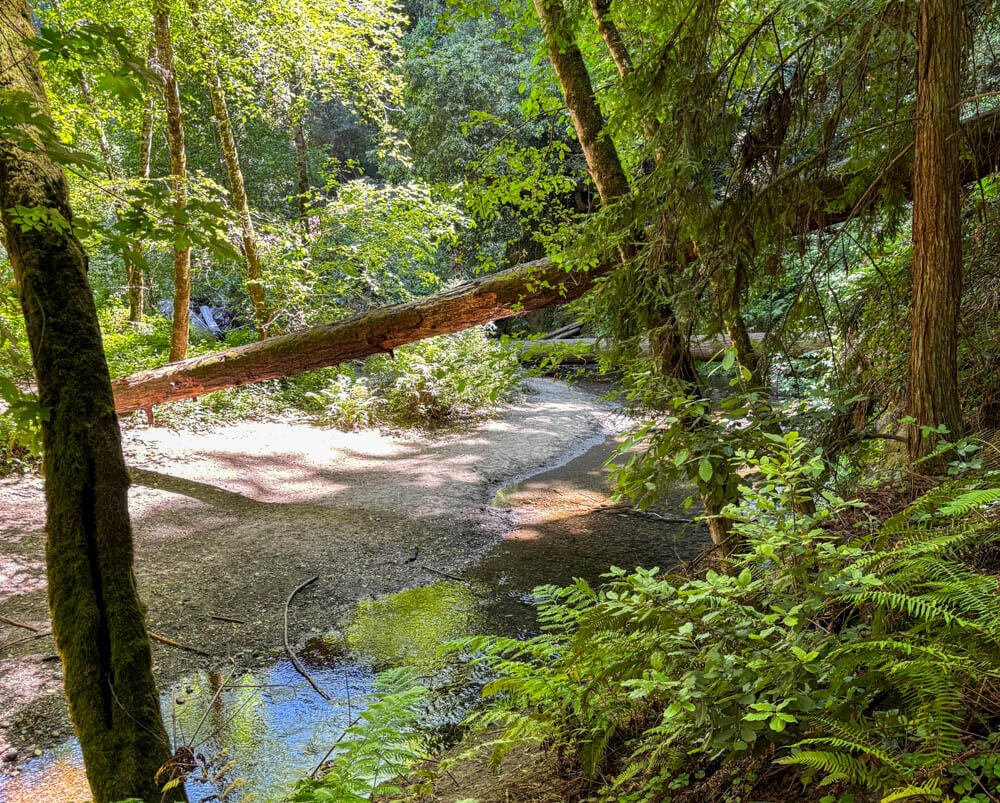
Forest of Nisene Marks State Park


Restaurant focused side trip to Carmel, Monterey and Pacific Gr0ve
The Monterey Peninsula is 45 minutes down the coast from Santa Cruz — Carmel-by-the-Sea, Passionfish in Pacific Grove, and two Michelin-starred restaurants in one small village. Read our Monterey Peninsula food guide.
Practical Notes
Drive time: The full drive from Encinitas to Santa Cruz is approximately 6-7 hours without stops. With meaningful stops it is comfortably a two to three day trip — one night in Santa Barbara or the Santa Ynez Valley, one night in Morro Bay or Cambria, arriving in Santa Cruz on day three.
Best time of year: May through October for the most reliable weather. June brings June Gloom to the Southern California coast but clears by midday. September and October are the warmest and clearest months on the Central Coast and Santa Cruz, and the light is at its best.
The 101 vs Highway 1: The article follows US-101 for most of the drive. Between Morro Bay and the junction north of San Luis Obispo, Highway 1 diverges and becomes the more scenic coastal route. If you have the time, take Highway 1 north from San Luis Obispo rather than the 101 — it runs closer to the coast through the dunes and adds very little time.
Shop the Route
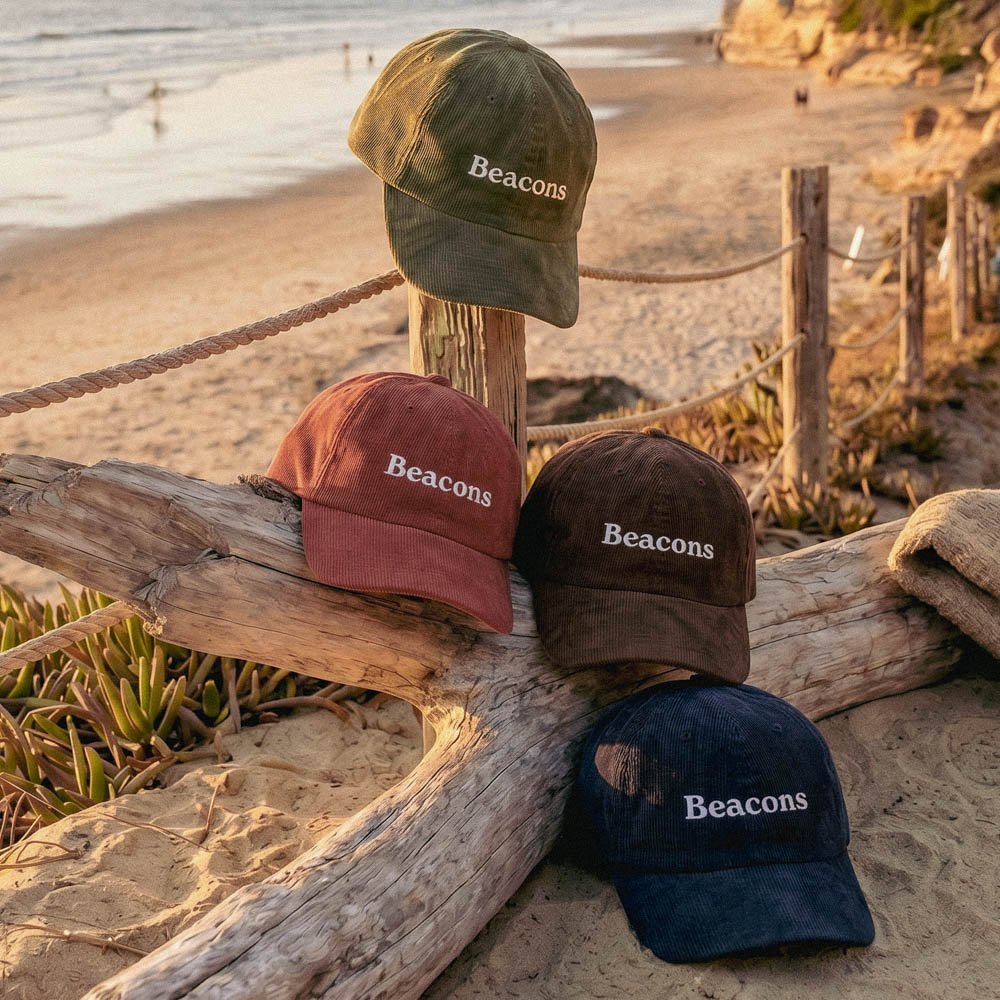
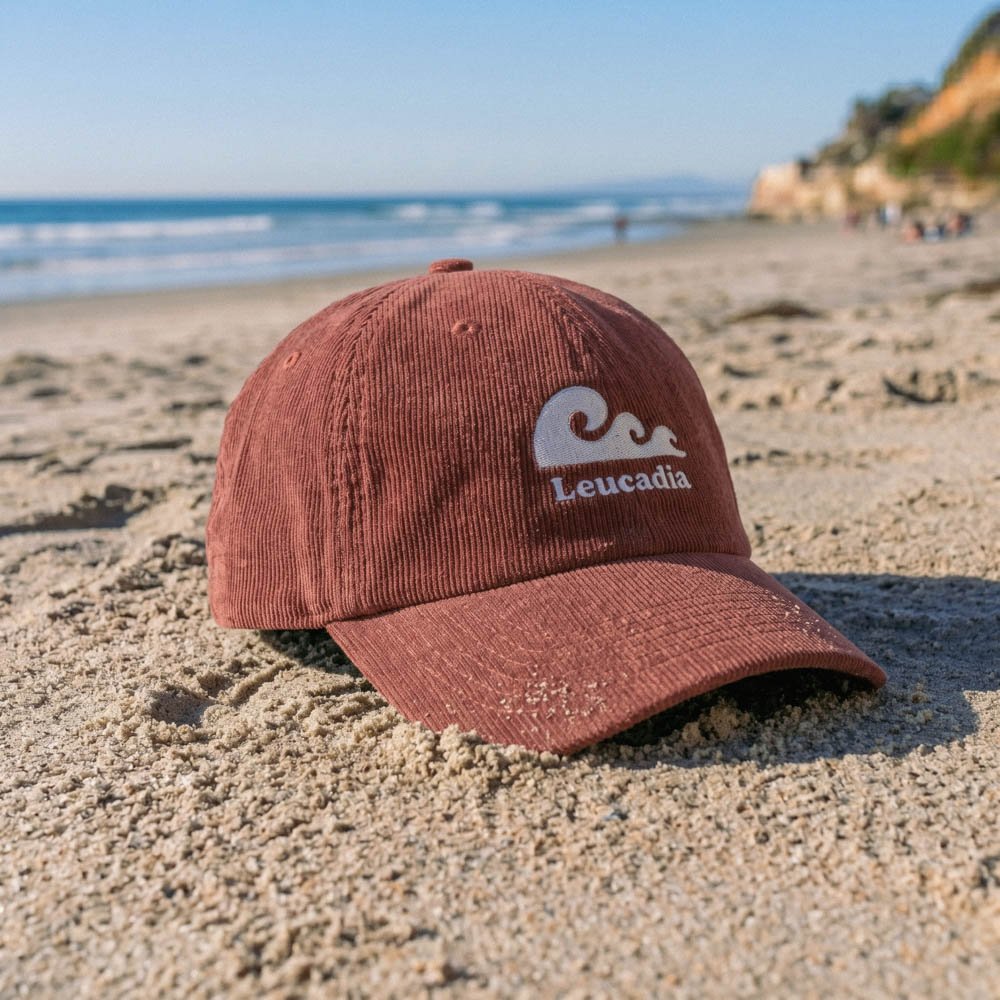
The places on this drive — Trestles, Rincon, Malibu, Cardiff, Beacons — on tees and corduroy caps from Leucadia Mercantile.
Trestles Corduroy Cap →
Rincon Corduroy Cap →
Malibu Corduroy Cap →
Cardiff Corduroy Cap →
Beacons Tee →
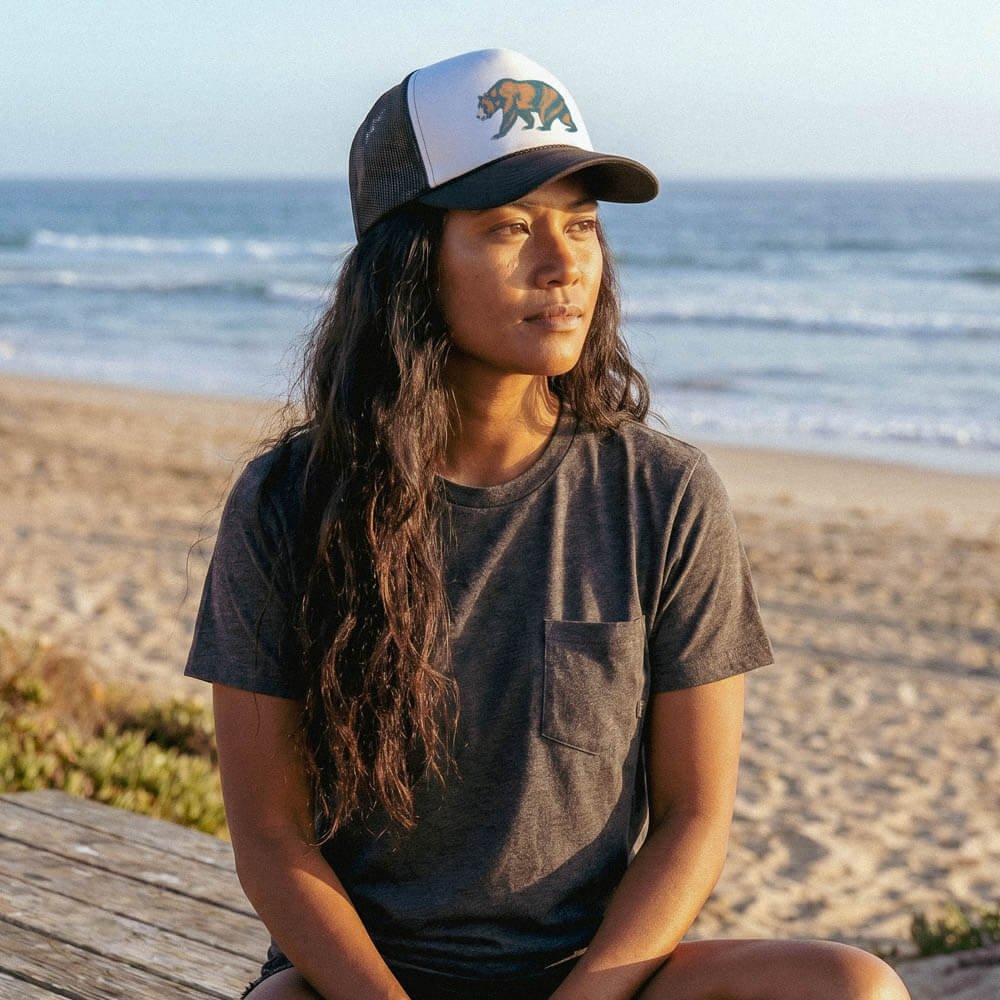
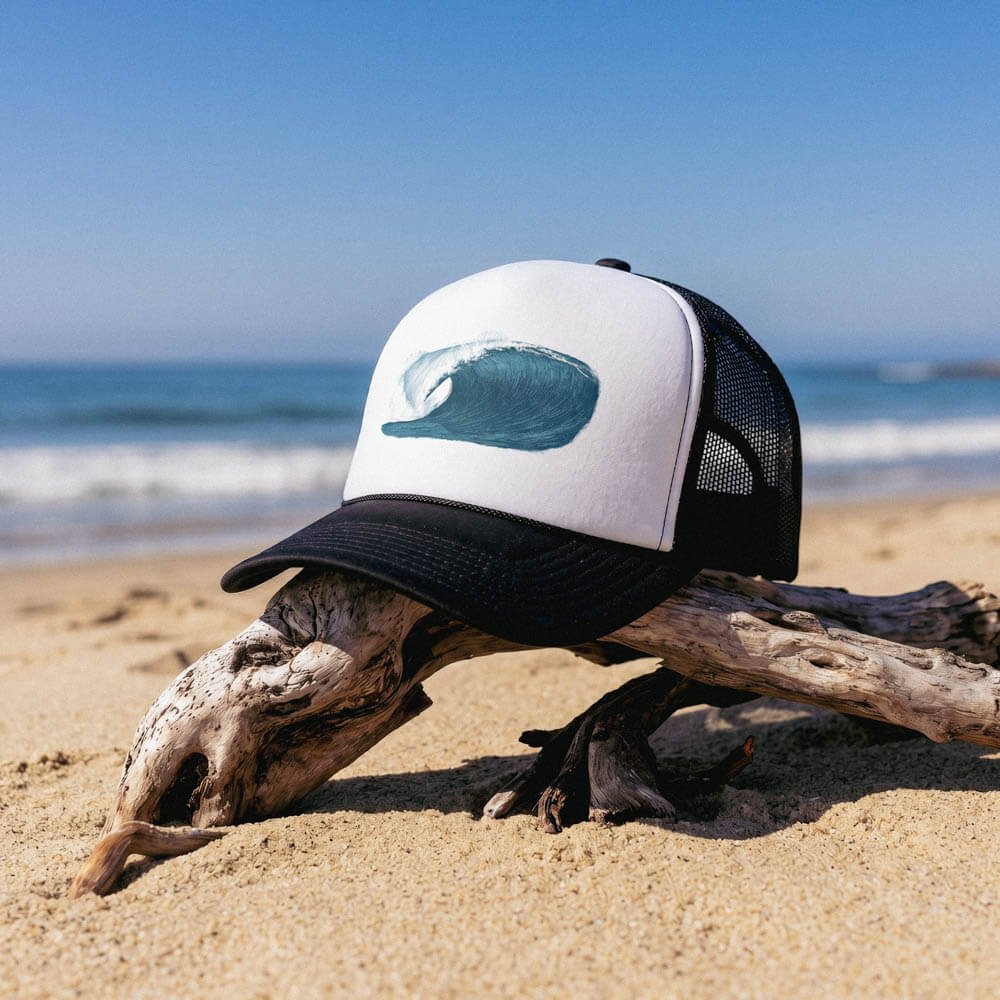
Pacific Sunset Trucker Hat →
More from the Leucadia Mercantile Journal: The California Coastal Road Trip — LA to Big Sur & Carmel on PCH → · Bell’s, Bar Le Côte and the Santa Ynez Valley → · A Weekend in Encinitas →